Why Invest in Land?
Today there are many ways to invest: stocks, commodities, bonds and bills, foreign currency, housing and shops for rental income, cryptocurrencies, and more. This list could go on, because anything that generates income is in fact an investment. A country's sociological and economic conditions also affect the distribution of investment preferences. So why invest in land?
In recent years our country has faced serious inflation; purchasing power has eroded and savings have turned to different assets. Among all these types of investment, there is a special kind that is reliable, whose returns are unquestioned in both the traditional and the modern world, and that can lift people up an economic class: land investment.
An Investment in the Future
Owning a piece of land gives a sense of satisfaction and security found in no other type of investment. We all know from our own surroundings where an empty plot can end up over the years: for some, the land inherited from a grandfather is today the family's most valuable asset, while parcels sold off at the time are still talked about. Land investments made, or not made, in time have left their mark on almost every family's story.
Not Spending Easily
There is a clear difference between spending with a credit card and spending cash: the card makes spending easy, while cash makes you think. A similar psychology applies to investing. Assets you buy and sell with a single tap on your phone, you tend to convert to cash at the slightest difficulty. Land is not like that: it cannot be sold within a minute, nor disposed of at the slightest trouble. This helps you maintain your investment; the meaning attached to land is different, and no one wants to lose land. Now let us consider the benefits of land investment under headings. If you are undecided between land and housing, our comparison article will also point the way.
1. Land Investment Is Secure
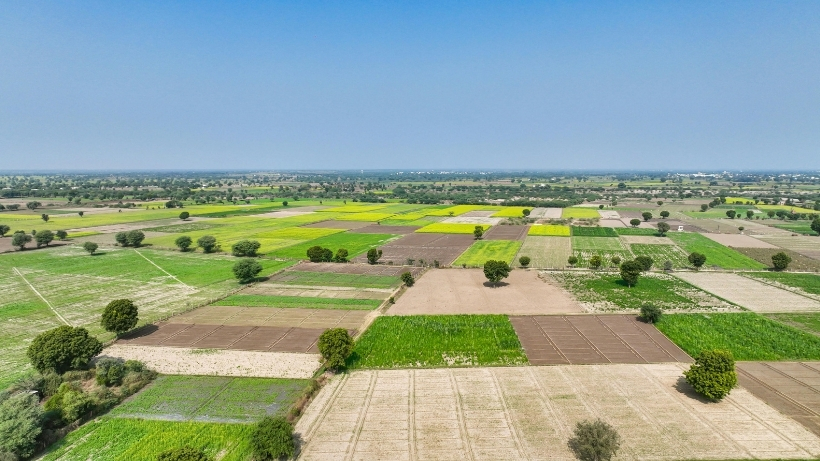
Field and land investment is one of the safest and most profitable ways of putting savings to work. Farmland is always valuable and appreciates over time; land is in demand in every period and is an important legacy for future generations.
2. It Offers the Possibility of Passive Income
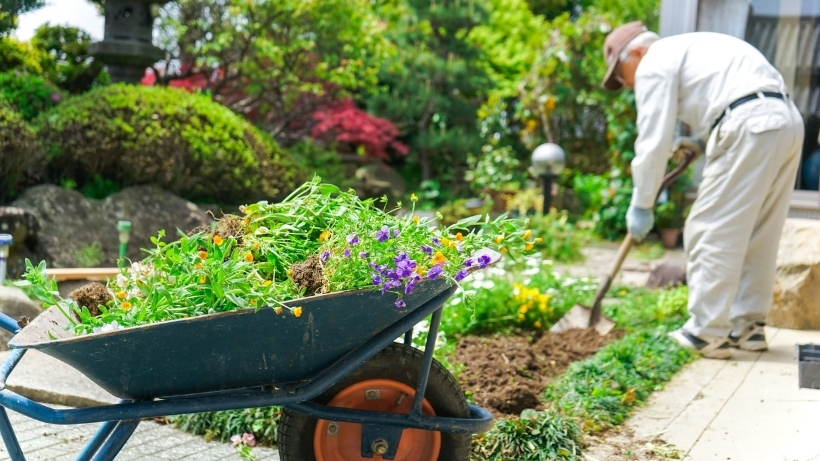
By leasing out your field or carrying out your own agricultural activity, you can earn regular income. Organic farming and local markets are very much in vogue today. Do not limit passive income to the cash that reaches your hand alone: in every product you take from your own garden there is no rent, tax, transport or profit margin embedded in the market price — and that is an indirect but real gain.
3. There Are Agricultural Incentives and Supports
If your plans go beyond a garden, the state provides serious incentives and supports for the agricultural sector (for current supports, see the Ministry of Agriculture and Forestry). By making use of these supports, you can lower your investment costs and increase your profitability. Loans and grants for agricultural projects also make things easier; for those who want to start producing as a member of a cooperative, there are mechanisms to guide the way. You are not alone when you invest in land.
4. Future Appreciation Should Not Be Overlooked
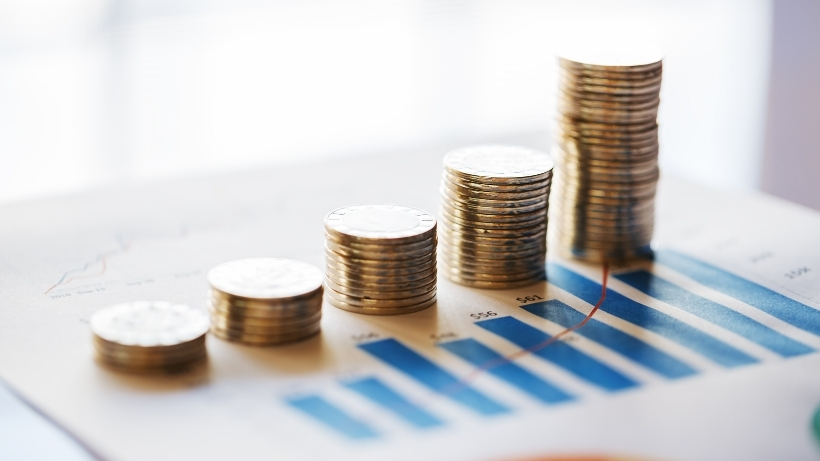
Because of urbanization and population growth, land prices tend to rise over the long term. A field you buy today at a reasonable price can yield large gains in the future. For investors who think in the medium and long term, fields offer high return potential; a land investment made without straining your budget can make a contribution to your family's future that you cannot even imagine.
5. An Environmentally Friendly Investment
Land investment is an investment mindful of nature and the environment. Through the protection of natural resources and sustainable farming practices, you can contribute to both our planet and future generations. We must become a society that produces, not only one that consumes: an orchard you buy can, with just a few days of care during certain months of the year, give you both natural produce and an economic contribution to your household.