Things to Consider When Making a Field Investment
In recent years in Turkey, land and field investments have become one of the most popular areas that investors view as a safe haven. As the number of people who want to get away from city life and live intertwined with nature increases, interest in field investments is also rising rapidly. However, as with any investment, there are critical points to consider in field investment as well. Without proper research, investors may incur losses in the long term. Here are the basic headings you should take into account during the process:
1. Title Deed and Zoning Status
The first thing to do before buying a field is to examine the land registry records and clarify the zoning status. Whether the field is held under a shared title deed and whether there is a mortgage or annotation on it must definitely be checked. You can also view the boundaries and characteristics of the parcel yourself via TKGM Parcel Inquiry; for a step-by-step explanation, see our inquiry guide. In addition, the field's position in the zoning plan should be learned from the relevant municipality or the provincial special administration. Future zoning changes can significantly increase or decrease the value of your investment.
2. Location and Transport
Location is one of the most important criteria in field investment. Proximity to main roads, villages, the city centre and infrastructure services is among the factors that determine the value of the field. Fields that are easily accessible and have road frontage always gain value faster. The development potential of the region must also be taken into account: lands close to industrial zones, tourist areas or new settlements are advantageous in terms of investment.
3. Soil Fertility and Intended Use
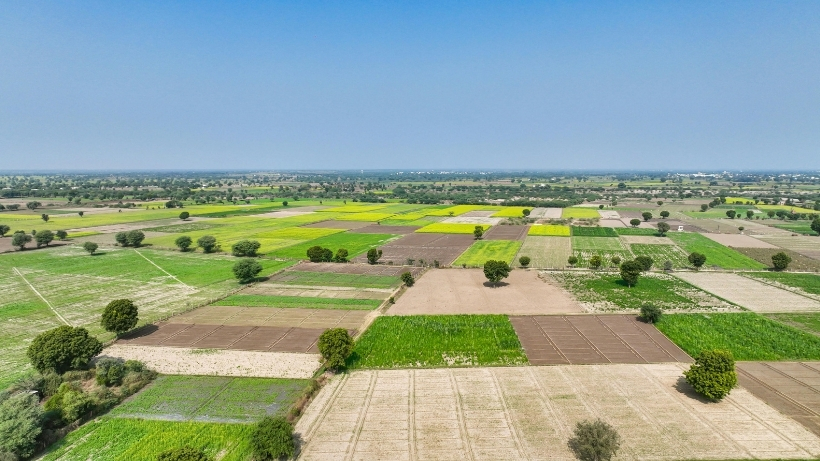
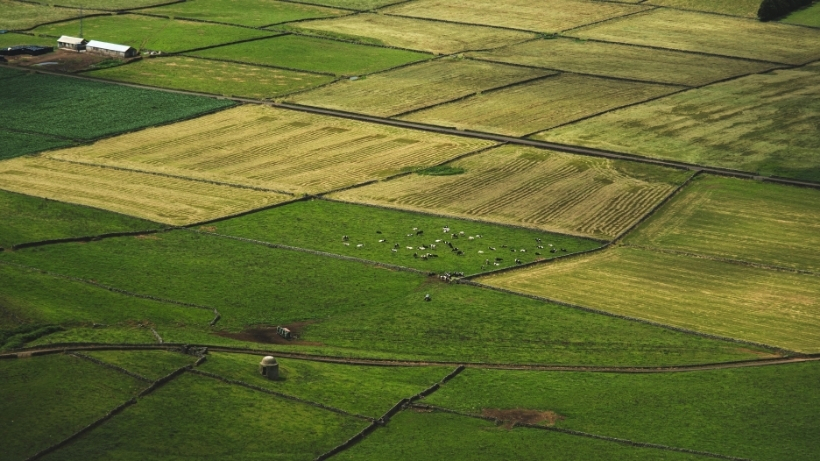
Do not think of the field only as an investment instrument; its suitability for agricultural activities is also important for additional income sources. Therefore, research the fertility of the soil, irrigation possibilities and which crops are grown in the surrounding area. If you are considering a purpose such as a hobby garden, vineyard or olive grove, you should find out whether the field is suitable for these uses.
4. Regional Developments
Before making a field investment, you need to examine the infrastructure projects and official planning in the region. A road, airport, organised industrial zone or tourism investment to be built in the near future can multiply the value of your field. That is why you should focus not only on the current situation but also on future developments.
5. Long-Term Investment Awareness
Field investment is generally a long-term investment instrument. The expectation of large gains in the short term is mostly unrealistic; however, investments made in the right location provide high returns over the years. One must be patient and view the investment as an instrument that protects your savings and grows them over time.
Conclusion
Field investment is an opportunity that, when the right steps are taken, provides its investor with both confidence and high gains. In this process, many factors must be carefully examined, from title deed and zoning checks to location analysis, and from soil structure to regional developments. As Kandira Yatirim, with our land consultancy service we offer you the most suitable field and land options, providing professional consultancy so that you can make your investment with confidence.